
Sindh Opens Pakistan’s First Printing Press Museum in Karachi
Pakistan’s first Printing Press Museum has opened inside the Sindh Governor House, marking a major milestone in cultural preservation. It celebrates the legacy of printing and Pakistan’s connection to the global history of the written word.
The project was executed by Faheem Qureshi, Controller of Printing Press, under the supervision of Dr. Kaleemullah Lashari, a respected heritage expert. Their combined vision turned a historic idea into a modern educational space.
A Tribute to the Power of Print
The Sindh Printing Press Museum highlights how printing shaped education, culture, and governance in Pakistan. It is not just a building filled with machines; it is a story of knowledge, progress, and creativity.
Unlike general museums, this one focuses entirely on the evolution of printing technology. It explains how printed words connected people and ideas across centuries. Visitors can explore how ink, paper, and machines transformed human thought into lasting records.
Karachi’s Role in Printing and the Bombay Presidency
Karachi’s link to printing goes back to the British colonial period. During that time, the city was part of the Bombay Presidency. With its natural harbour and busy port, Karachi became an important printing and trade hub.
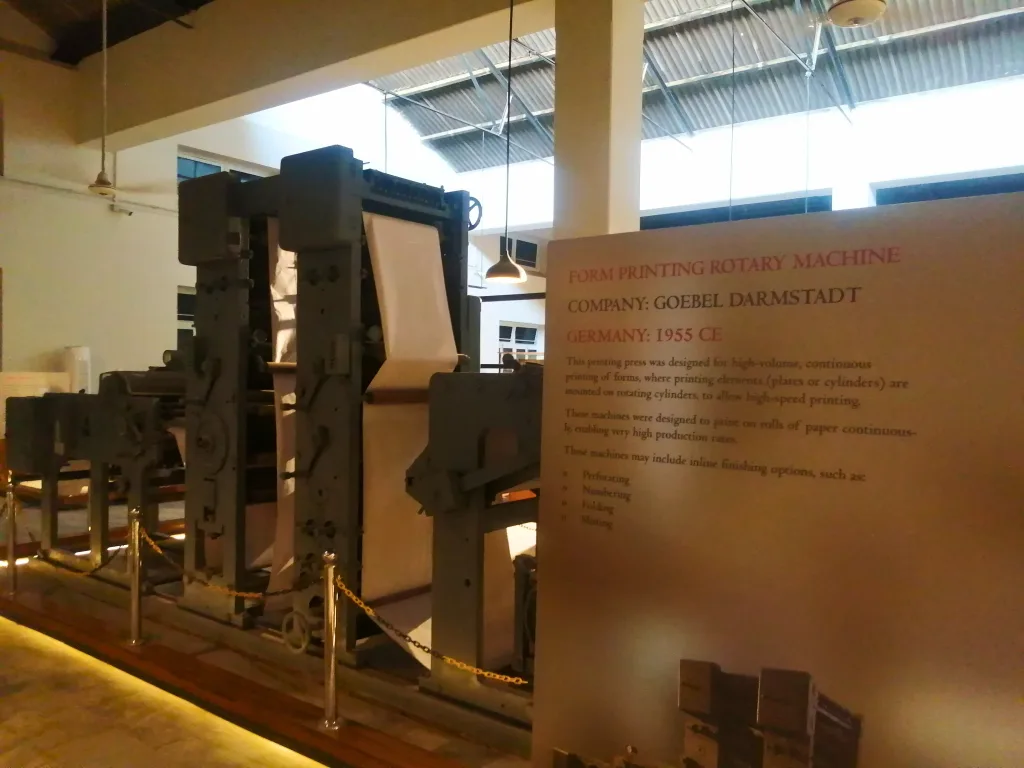
Many official gazettes (displayed in smaller gallery), government orders, and public notices were printed here. These publications helped circulate laws, and news throughout Sindh and beyond. The museum now preserves that early printing legacy and the stories behind it.
A Global Connection
Printing museums around the world celebrate the same passion for knowledge. Some famous examples include:
- The Gutenberg Museum in Mainz, Germany
- Museum Plantin-Moretus in Antwerp, Belgium (a UNESCO World Heritage Site)
- The Printing Museum in Tokyo, Japan
- The British Printing Museum Collections in London
Now, the Sindh Printing Press Museum places Pakistan on that global cultural map. It connects Karachi’s history to a worldwide
network of printing innovation.
Inside the Museum
The museum welcomes visitors through a spacious lobby that leads to a projection room. Here, a short film narrated by Mr. Fahim Qureshi, introduces the story of printing.
At the entrance, a bust of Bi Sheng, maker of the First printing press (1040 AD) and Johannes Gutenberg, honors the inventor of movable type. Nearby, sacred and literary works like the 300 year old Holy Quran, replica of Bible in Latin, and Shah Jo Risalo represent the spiritual and cultural impact of print.
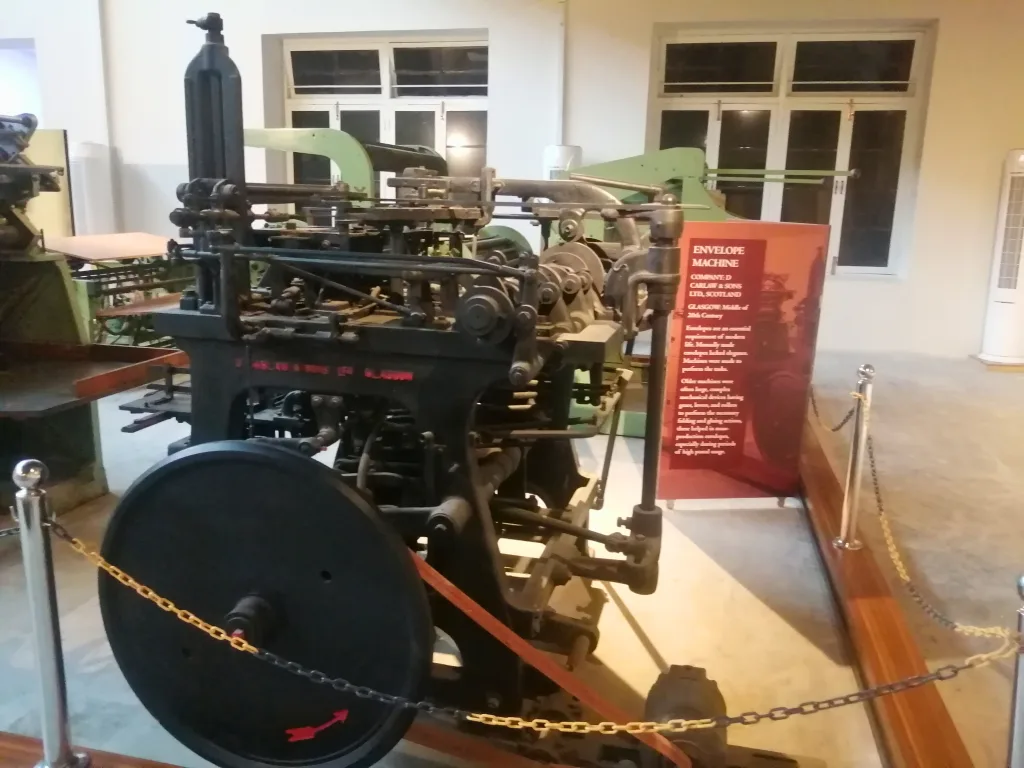
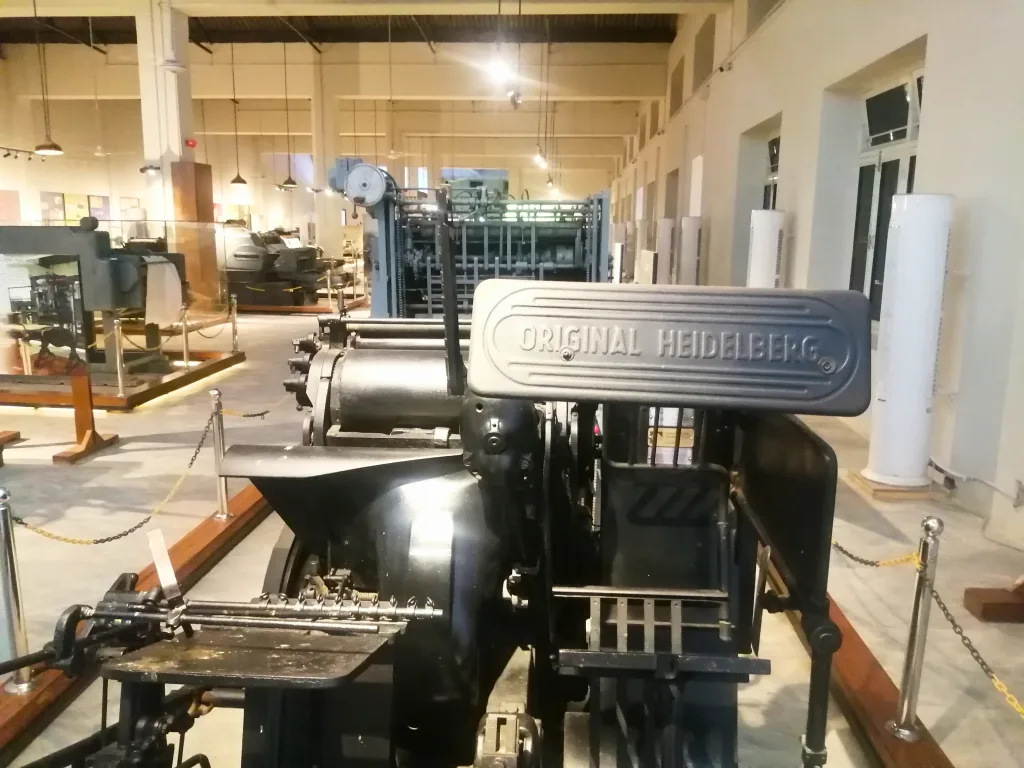
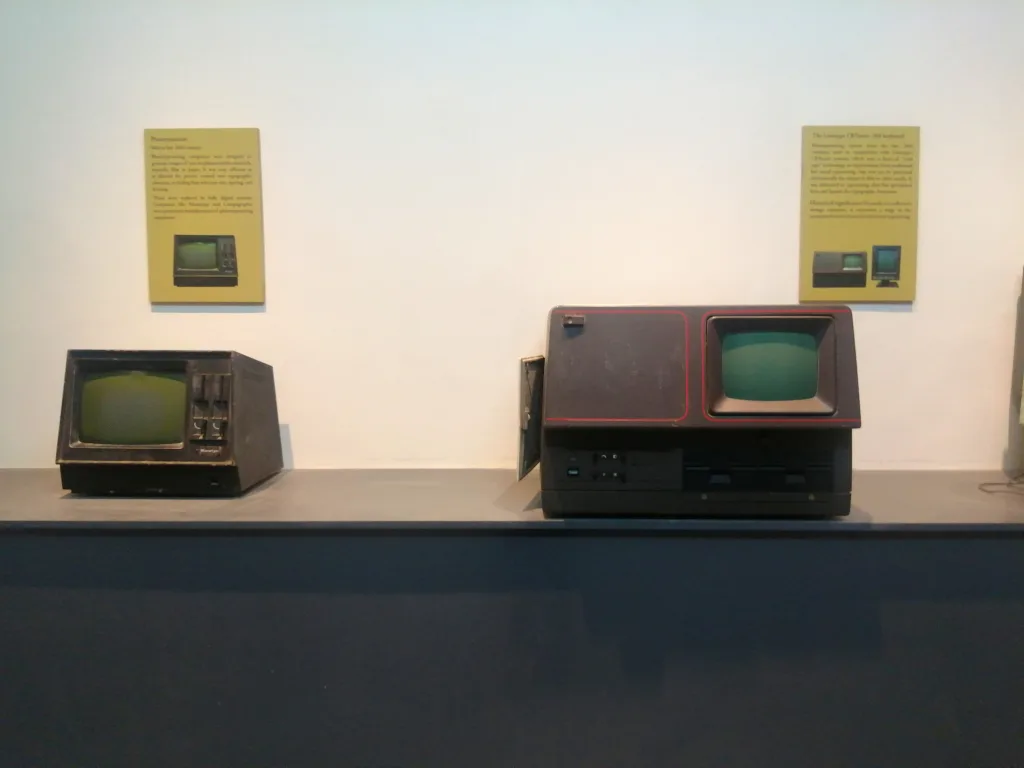
Visitors then walk through galleries displaying printing machines from the 19th and 20th centuries. There are also rare books and
early computers, showing how print culture bridged into the digital age. A gift shop, canteen, and children’s play area make the museum enjoyable for all ages.
The Team Behind the Vision
The museum came to life through teamwork and creativity. Under Dr. Kaleemullah Lashari’s guidance, the team included:
Faraz Odho (Architect), Kainat Baloch, Syed Ali Shah (Researchers), Faraz Nazar (Design & Printing), Zulnurain Hyder, Waqas Khan, and Muhammad Ali (3D Mapping and Documentary Production). Their combined effort built not only a museum but also a lasting legacy of learning and pride.
A Legacy for the Future
The Sindh Printing Press Museum is a tribute to Pakistan’s literary and historical journey. It reminds us that words can change the
world and that printing gave them power.
For students, historians, and visitors, the museum offers more than exhibits. It offers inspiration, connection, and a bridge between Pakistan’s past and its digital future. To book your tour, contact Travel Daastan.